Source: Doreen Abena Kyerewaa Akata
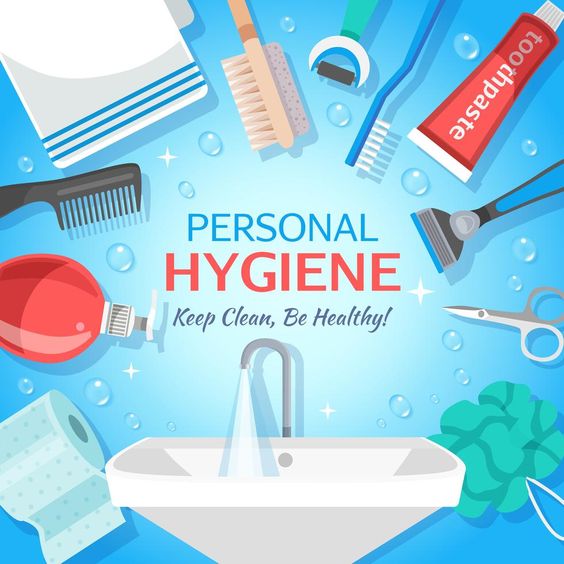
Imagine this: you’re sitting in a public bus resting your forehead against the seat before you, suddenly someone comes to sit beside you. You catch a whiff of cotton and fresh laundry from this person which gets you to raise your head to do a double take.
As you raise your head, your gaze falls upon a person in tidy, unwrinkled clothing, hair in neat, twisted strands tied in an updo without a single frizz in sight, and in spotless polished loafers. What would be your impression of this stranger’s personal hygiene practice?
Personal Hygiene? What is it?
Personal hygiene is the conscious effort made by an individual in ensuring that all their external body parts are kept clean and healthy. This means that it goes beyond just feeling fresh. Personal Hygiene does not have to be a complicated, expensive procedure. All you need is a few minutes of your time each day to do some basic things like take a shower or brush your teeth.
While it is a necessity, what is regarded as good personal hygiene differs from person to person depending on country, culture, upbringing, society, or availability of resources. However, there are some basic practices that are generally and universally accepted as proper personal hygiene.
The most common form of personal hygiene is BODY HYGIENE. This involves all the practices that are undertaken to keep the body clean and free from germs to promote good health and prevent the spread of illness and diseases. Some body hygiene includes:
Regular cleaning: It involves bathing daily with soap and clean water. In countries with generally warm climate and mostly sunny weather such as Ghana, it is advisable to shower at least twice daily to help eliminate sweat, dirt, and bacteria buildup on the skin. Also, it is important to pay particular attention to areas prone to sweat and dirt buildup like armpits, hair, groin, behind ears, butt crack, under breasts, and in-between toes.
Hand hygiene: Involves proper handwashing with soap and clean water (advisably under running water). It is the best way to prevent the spread of infection and germs. There is not a definite number of times designated for washing hands, however, it is better to make it a consistent practice to wash your hands and wrists always. The following are some hand hygiene practices suggested by Centre for Disease Control and Prevention:
- Before, during, and after preparing food
- Before and after eating food
- Before and after caring for someone at home who is sick with vomiting or diarrhea
- Before and after treating a cut or wound
- After using the toilet
- After changing diapers or cleaning up a child who has used the toilet
- After blowing your nose, coughing, or sneezing
- After touching an animal, animal feed, or animal waste
- After handling pet food or pet treats
- After touching garbage
Dental hygiene: How would you feel if someone who is seeking directions to a place from you keeps blowing bad breath each time they open their mouth to say something to you? An unpleasant scenario, right?
It is important that oral hygiene is carried out regularly to prevent dental diseases and bad breath. Make it a priority to brush your teeth immediately you get out of bed (to prevent the possibility of forgetting). Most dentists advise that tooth brushing is done twice daily, to keep bad breath away, remove plaque buildup, and prevent tooth decay and gum disease.
Nail: Trimming and cleaning your nails regularly aids in preventing accumulation of dirt in the nails and the spread of germs.
Hair and scalp: Maintaining a clean and healthy hair and scalp helps prevent many conditions and diseases such as unpleasant odour, headlice, scalp eczema, dandruff, and hair breakage.
Genital Hygiene: Sexually Transmitted Diseases (STDs) and Infections can be prevented by keeping the genitalia clean. In countries with tropical climates where it is generally humid, such as Ghana, washing your genitals twice a day is adequate to maintain genital hygiene.
Females, however, are advised to avoid washing out their vagina because it kills the good bacteria needed to fight infection there. Instead, washing the vulva (external part of the female genitalia) is all that is necessary, and this should be done using a mild bathing soap.
It is best for females to avoid using heavily scented soap altogether as it can also affect the good bacteria. Healthline suggests that females wash their vulva with just warm water—the most inexpensive way to keep your genitals clean.
Other forms of body hygiene are facial hygiene, and cough and respiratory hygiene.
Personal hygiene extends beyond improving physical health. It also improves mental and emotional well-being, and social well-being. Maintaining proper personal hygiene:
Reduces the risk of infections and diseases by washing away germs and preventing their spread. This significantly lowers your chances of getting sick.
Promotes healthy skin and hair: Regular cleaning removes dirt, oil, and dead skin cells, allowing your skin and hair to breathe and function optimally.
Boosts self-confidence: Feeling clean and fresh can positively impact your mood and self-esteem. Personal hygiene contributes to a positive self-image and removes potential anxieties related to physical presentation.
Creates a positive impression: Maintaining good hygiene demonstrates a sense of care and consideration for others.
It is worth acknowledging that some individuals may still experience persistent body odour or bad breath (halitosis), despite diligent efforts made to maintain personal hygiene. In these cases, consulting a doctor or dentist is recommended to rule out any underlying medical conditions.
To the dear vocational worker, that career lady or gentleman in the office, the student in a hurry to class, remember that consistent hygiene practices not only boost your confidence but also prevent the spread of germs and keep you feeling fresh throughout the day.
While maintaining a clean appearance doesn’t require breaking the bank, prioritizing basic routines like showering, using deodorant, and wearing fresh clothes goes a long way.
 Dialogue Genitalia - Ghana
Leave a comment