
For this week’s conversation on STIs/STDs, we will focus on Cytomegalovirus and Genital Warts, which are viral infections. Let us first consider cytomegalovirus, a well-known virus related to the herpes virus, transmissible through saliva, blood transfusion and other bodily fluids such as semen, urine and breast milk. An interesting fact about the cytomegalovirus is that, it is so common nearly all adults in developing countries have it. It has been established that once it enters the body, it stays in the blood stream throughout a human being’s life span. Most infected persons who are healthy may rarely show any symptoms of the disease. However, persons with a weak immune system or women who are pregnant may constitute a high-risk population. Such individuals have a higher chance of showing severe symptoms. Investigations on the mode of transmission of the virus from mother to child, has revealed that women who become infected with the virus during pregnancy are very likely to pass on the virus to their babies in the womb or through breastfeeding. Further studies have suggested that nearly 40% of newly infected soon-to-be-mothers will pass on the virus to their babies. Such babies will experience the full effects of the virus. Other individuals who may be considered high risk include those with AIDS, or receiving chemotherapy for cancer treatment.
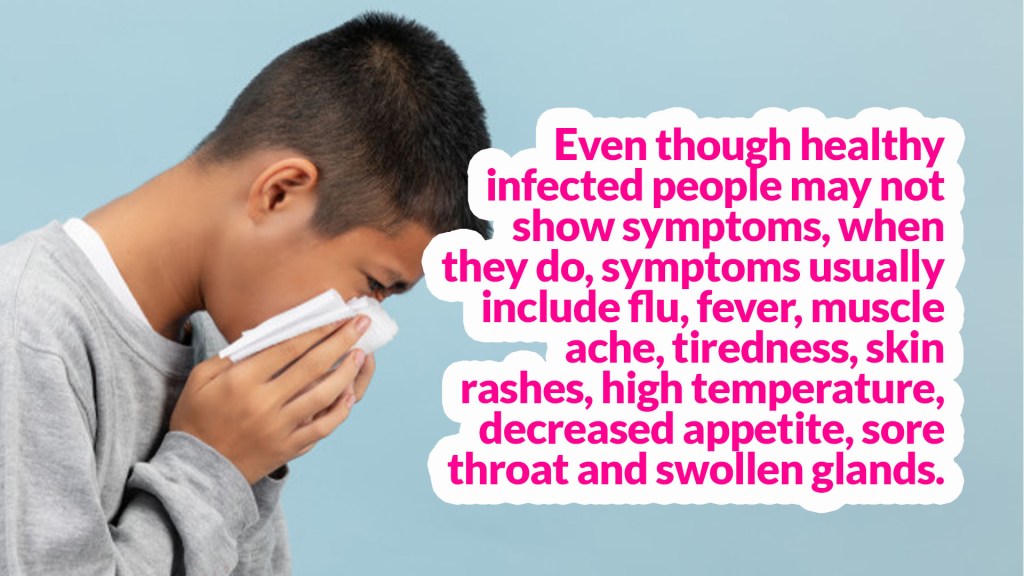
Even though healthy infected people may not show symptoms, when they do, symptoms usually include flu, fever, muscle ache, tiredness, skin rashes, high temperature, decreased appetite, sore throat and swollen glands. These symptoms usually go away naturally without any treatment within 3 weeks of onset. Newborns with the virus are often born prematurely, with a low birth weight. Such babies may have developed a small brain, which is scientifically called microcephaly, and other serious health complications like seizures, mental retardation, deafness and death. Infected persons living with AIDS or going through cancer treatment can become blind, may develop pneumonia, liver inflammation ulcers, intestinal obstruction resulting in jaundice, abdominal pain and bloody diarrhea.
Genital warts are caused by the human papilloma virus (HPV), a virus which is spread through unprotected sexual contact with an infected person. Symptoms of the disease usually include painless growths or lumps around the genitals and anus, which is usually accompanied with itching and bleeding.
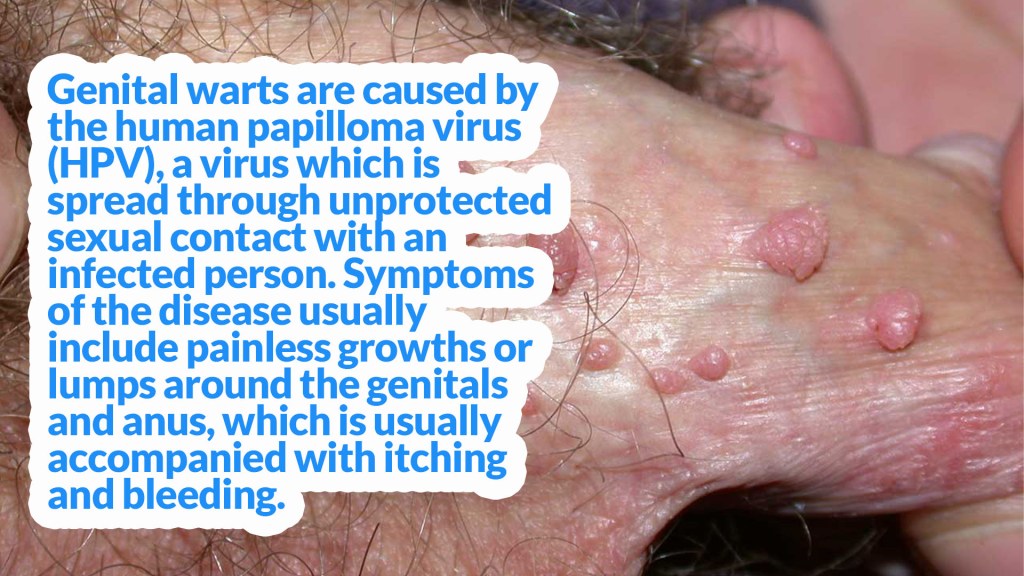
Remarkably symptoms of the virus may appear months or years after a person is infected. Some warts may develop inside the vagina or anus, making it difficult to notice, with most people showing no symptom of the disease at all.
It is therefore recommended that every sexually active person should do a routine STI/STD test to know their status and get early treatment. It is also essential that pregnant women and breastfeeding mothers be tested for these viruses. Cytomegalovirus and Genital Warts can be effectively treated when individuals are diagnosed with the disease. To lower your chances of infection, you should embark on the following measures:
- Abstinence is the only effective way to prevent the spread of STDs, especially for young and unmarried persons.
- Reduce your number of sexual partners to one who has been tested for STDs/STIs.
- Use a new condom each time you have sex and be sure to wear it correctly.
- Seek medical care during pregnancy.
- Get tested and treated for other STDs and encourage your partners to do the same.
- To prevent the spread of cytomegalovirus, it is best to avoid kissing the lips of an infected person and sharing utensils with an infected person.
Do join us in our subsequent posts as we discuss other STIs, their psychological implications and preventive measures as well as the treatment options that are available to combat STDs.
 Dialogue Genitalia - Ghana
Leave a comment